

Websites · Design
Designed to convert.
 Reviewed by Adam Segall, Founder & CEOUpdated
Custom, conversion-focused UI and a clickable prototype you approve before a line of code is written.
01The problem
Pretty is not the same as effective.
A template can look modern and still sell nothing. If the visual hierarchy does not lead the eye to one clear action, visitors admire the hero image and leave. Design that ignores how people decide is expensive wallpaper, and it is the most common reason a good-looking site underperforms.
Most agencies also design directly into the build, so you never see the real experience until it is coded and costly to change. By then, fixing the flow means unwinding development you already paid for. We design the decision first, prove it in a clickable prototype, and only then write code.
02Why it matters
Design that earns its place.
Custom, never templated
Every layout is designed for your business, brand, and customers, so you never look interchangeable with the competitors running the same stock theme.
Built around the action
We design a deliberate visual hierarchy that leads the eye to one primary action per page, so the layout sells instead of merely decorating.
Approved before code
You click through a working prototype and sign off on the real experience, so development starts from a proven design with no surprises.
Accessible and responsive
We design to WCAG contrast and touch-target standards across breakpoints, so the site works for every visitor on every device.
03How we do it
How we design a site that works.
A repeatable process, run by the same in-house team from kickoff to launch.
- Step 01
Wireframe
We lay out each page around its goal and conversion path first, so structure, hierarchy, and content order are right before any styling.
- Step 02
Design
We apply your brand into custom, conversion-focused page designs that look sharp and point unmistakably to the primary action.
- Step 03
Prototype
We build a clickable prototype of the real experience, run it past you, and lock the design before a line of production code is written.
04What you get
What you get.
- 01
Custom page designs
Conversion-focused designs for every key page, built for your brand and buyers, responsive across breakpoints, never a template.
- 02
Clickable prototype
An interactive prototype of the full experience you can click through and approve before development begins.
- 03
Design handoff
Finalized designs, assets, and a component system prepped for clean hand-coded development, so nothing is lost in translation.
05Results
Proof, not promises.
Verified results from live client builds: rankings, AI citations and tracked inquiries, not projections.
-
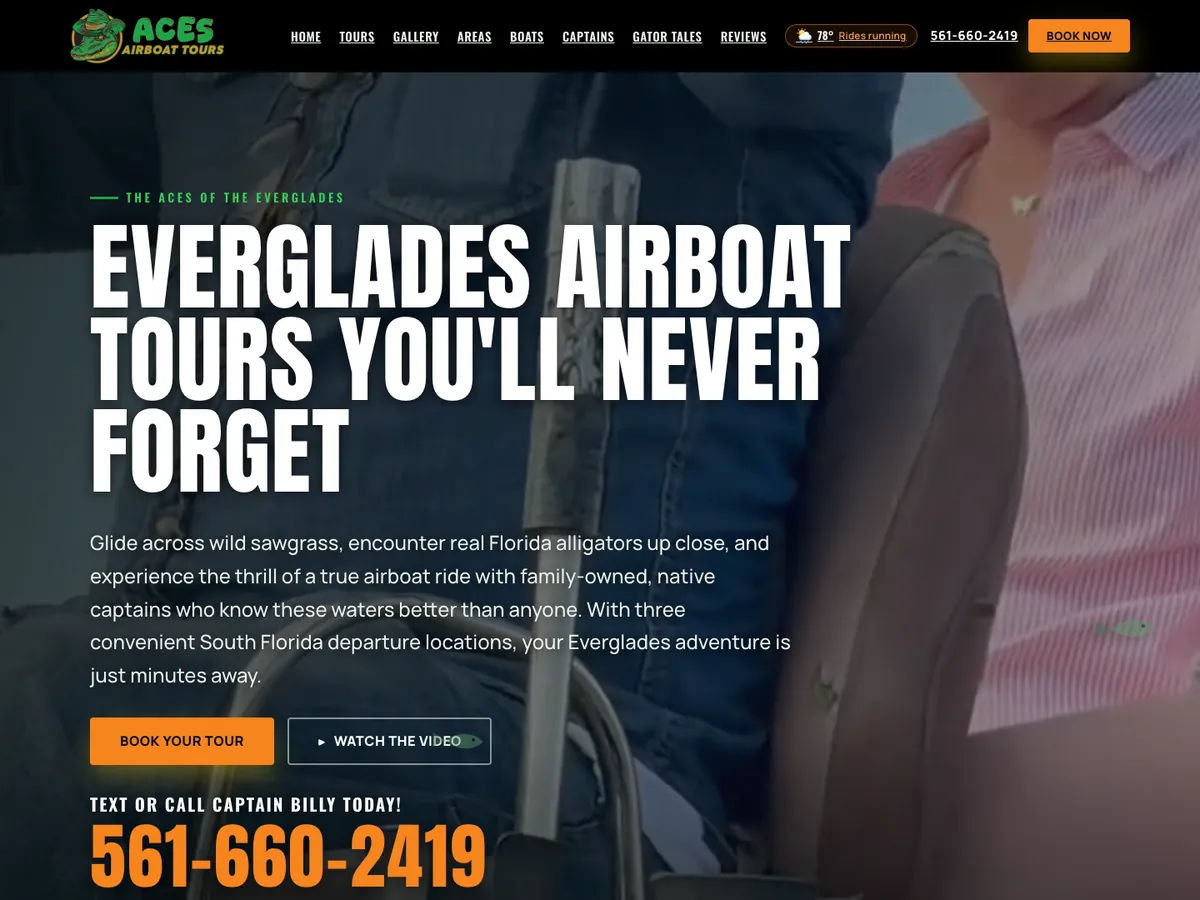 Tourism · South FloridaAces Airboat Tours
A cinematic, booking-first site built to win travelers in the moment they search.
143Pages live369Booking clicks in 2 months
Read the case study
Tourism · South FloridaAces Airboat Tours
A cinematic, booking-first site built to win travelers in the moment they search.
143Pages live369Booking clicks in 2 months
Read the case study -
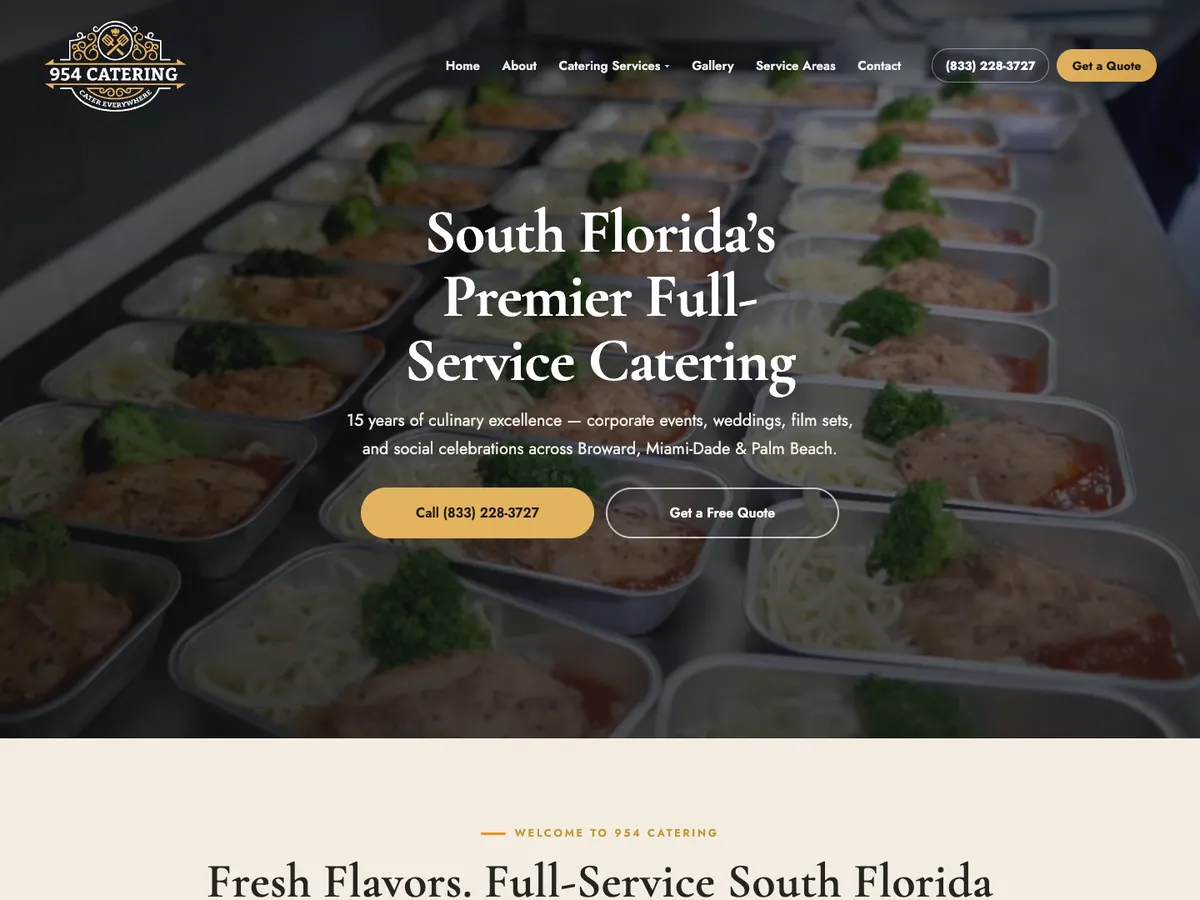 Catering · South Florida954 Catering
From a cluttered page-builder site to the catering company South Florida's map pack and AI name first.
100City + occasion pages532Legacy URLs preserved
Read the case study
Catering · South Florida954 Catering
From a cluttered page-builder site to the catering company South Florida's map pack and AI name first.
100City + occasion pages532Legacy URLs preserved
Read the case study -
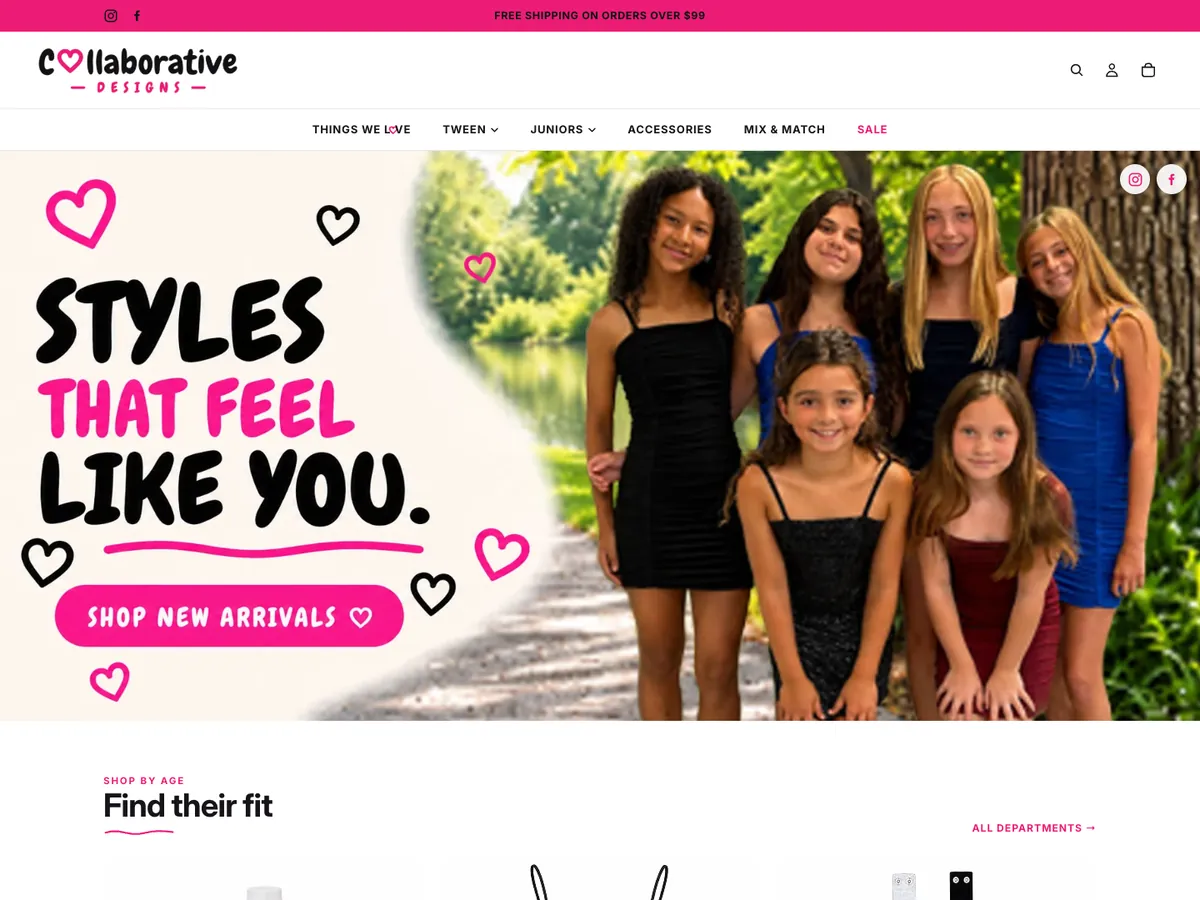 Retail · ShopifyCollaborative Designs
A playful, on-brand Shopify store the owners can run themselves.
51Collections42Products
Read the case study
Retail · ShopifyCollaborative Designs
A playful, on-brand Shopify store the owners can run themselves.
51Collections42Products
Read the case study
06Questions
Design questions people actually ask.
Will my website look like a template?
No. Every design is custom, built around your brand, your customers, and the actions you want people to take. Templates make you look interchangeable, and interchangeable businesses get shopped on price instead of chosen on value.
What is a clickable prototype and why does it matter?
A clickable prototype is an interactive mockup of your real site you can click through before any code exists. It matters because you experience the actual flow, catch what needs changing while changes are cheap, and approve it, so development starts with zero surprises.
Do you design and build, or design only?
We do both, and designing with the build in mind is the whole point. Our designs are engineered to become clean, fast, hand-coded pages, so the site you approve in the prototype is the site you get, with nothing degraded in handoff.
One team. Every channel.
Websites, search, ads, content, CRM and AI software built by one in-house team, so every piece works with the others.
Let's design a site that sells.
Show us your current site and we will show you what a conversion-focused design could do instead.