


Advertising · Facebook Ads
Facebook ads that earn the scroll-stop.
 Reviewed by Adam Segall, Founder & CEOUpdated
Meta campaigns run on a weekly creative testing system, server-side tracking that survives privacy changes, and reporting tied to real leads and sales.
01Overview
What a Facebook ads agency should do differently
A facebook ads agency earns its keep in three places: the creative, the tracking and the offer. Targeting used to be the lever everyone pulled. Today the platform finds people largely on its own, so the ad itself does the targeting. Our advertising team treats Meta as a creative production and testing job first, with media buying on top.
This guide goes deep on Facebook and Instagram. If you need Meta alongside TikTok or LinkedIn, our paid social management page covers the wider mix. And if you are deciding between channels, read Facebook ads vs Google Ads. The short version: Google catches people already searching, Meta creates demand in people who are not looking yet.
Where Meta ads fit, and where they do not
| Situation | Meta fit | Why |
|---|---|---|
| A product people do not know to search for | Strong | You have to show it to them before they can want it |
| Ecommerce with good photos and video | Strong | Visual products sell in the feed |
| Local services with a clear offer | Good | Works best with a specific, time-bound offer and fast follow-up |
| Emergency services (burst pipe, no heat) | Weak | Nobody scrolls Instagram during an emergency; search wins |
| Retargeting site visitors | Strong | Cheap reminders to people who already showed interest |
| Housing, jobs, credit and financial offers | Possible, with limits | Special ad category rules restrict targeting options |
For emergency and high-intent services, we usually start with Google Ads and bring Meta in for retargeting and reviews. For brands and ecommerce, Meta is often the main growth channel. A good facebook ads agency should tell you which camp you are in before it asks for a budget.
02Creative testing
The creative testing system behind every account
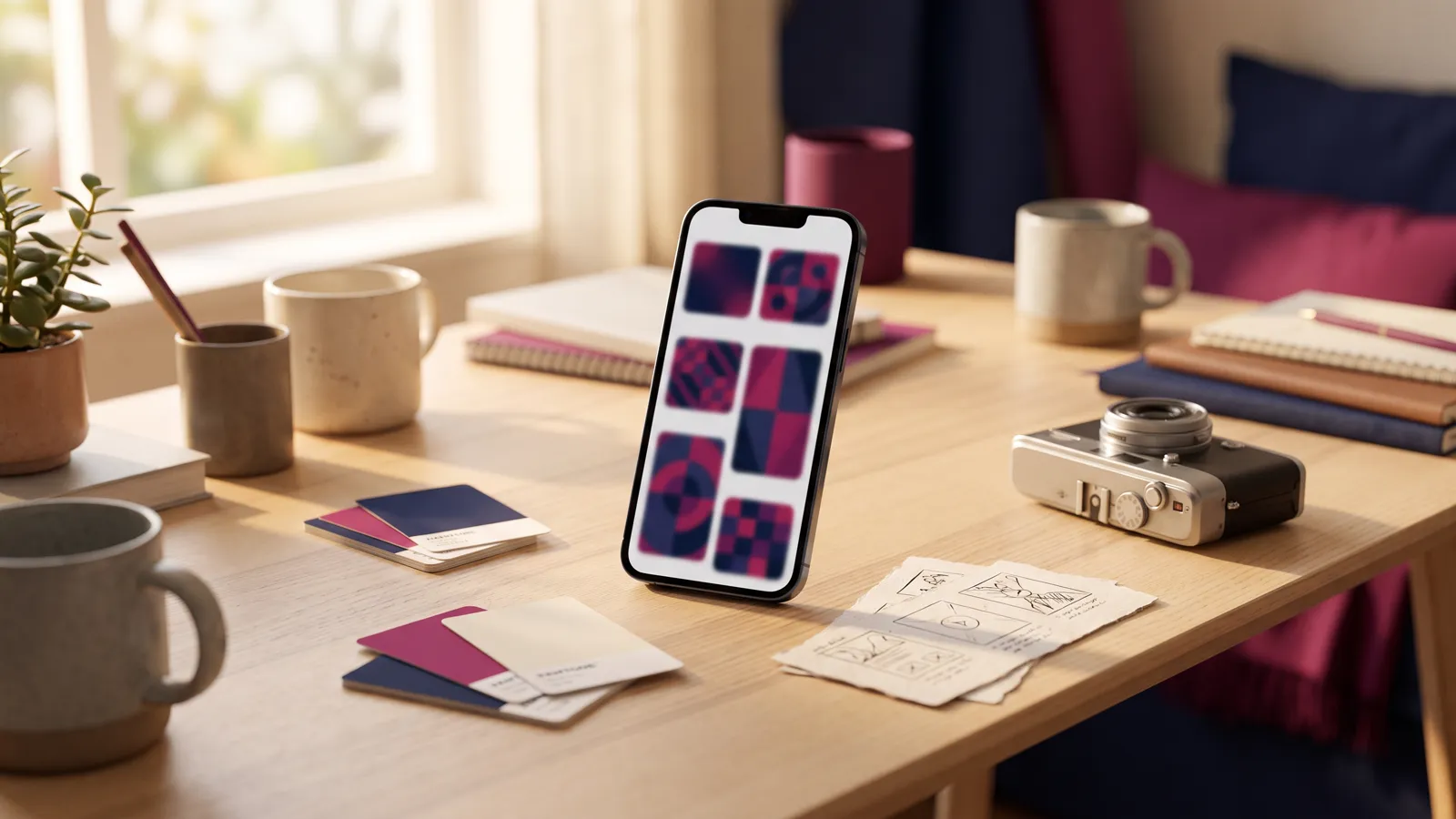
Most Meta accounts we inherit from another Facebook ads agency stall because the same three ads run for months. Audiences tire of them, frequency climbs and results fade slowly enough that nobody notices. We fix that with a standing test cadence: new concepts every cycle, each test isolating one idea, and a written log of what won and why, so learning compounds instead of resetting.
What we test, in order
| Variable | Examples | How we read it |
|---|---|---|
| Concept or angle | Pain point vs outcome vs proof vs offer | The biggest lever; test this first |
| Hook (first seconds or headline) | Question, bold claim, pattern break, customer voice | Thumb-stop rate and hold rate |
| Format | Short vertical video, static, carousel, UGC style | Cost per result by format |
| Offer | Free estimate, bundle, seasonal window | Lead quality as much as volume |
| Landing experience | Instant form vs website landing page | Qualified rate in the CRM, not just form fills |
Meta's own A/B testing tool lets you compare versions by changing the creative, the audience or the placement, which keeps tests clean. We use it for big questions and lighter in-ad-set rotation for quick creative reads. Our video production team shoots and cuts vertical video in-house, so a winning angle gets new variations within days.
Instant forms bring more leads; website landing pages usually bring better ones. We test both and judge them by what the sales team says a week later, not by the cost per form.
When the click lands on your site, the page has to finish the job. Our landing page design work and our conversion rate leak audit cover what to fix there.
03Why Unified
Why brands pick Unified as their Facebook ads agency.
Creative, tracking and media buying under one roof, run by senior people.
Creative made in-house
Our designers, video team and copywriters produce the ads, so testing never waits on a freelancer. When a hook wins, we can turn it into five new variations within days, which keeps fatigue away and keeps learning moving across every campaign.
Tracking that survives privacy changes
We set up the pixel, the Conversions API and CRM events together and check deduplication, so results reflect what really happened. Meta learns from real leads and sales, and your reports stop arguing with your bank account.
National brand experience
Our team has run Meta and digital media for national consumer brands, including Marc Anthony True Professional and Nu Skin. Local and mid-sized clients get the same discipline in creative testing, audience structure and reporting.
Honest channel advice
We run Google, Microsoft and Meta, so we have no reason to push one. If your buyers search rather than scroll, we will tell you, and we will put Meta where it actually helps: demand creation, offers and retargeting.
04Tracking
Conversions API, iOS privacy and tracking that holds up
Pixel-only tracking has been leaking for years, and any Facebook ads agency still relying on it is reporting on partial data. Since iOS 14.5, Apple requires apps to get permission through its App Tracking Transparency framework before tracking people across other companies' apps and websites. People who decline become harder to attribute, so a browser pixel alone undercounts results and Meta's delivery system learns from less.
The fix is server-side. Meta's Conversions API creates a direct connection between your server or CRM and Meta, so events like leads, purchases and booked appointments arrive even when the browser blocks the pixel. Meta's setup guidance has you confirm that events are deduplicated and matched correctly, which matters when the same lead arrives through both the pixel and the server.
Our Meta tracking checklist
- Pixel installed once, with standard events for the actions that matter, not every page view.
- Conversions API sending the same events from the server, with deduplication confirmed in Events Manager.
- Domain verified in Business Manager, and one primary optimization event chosen: the action closest to revenue.
- CRM stages such as qualified lead, booked and sold sent back as offline events where your setup allows.
- GA4 key events and UTM tags that match, so Meta and analytics tell the same story.
Our analytics and reporting team builds this setup, and UnifiedIQ, our own platform, tracks every call and form back to its source. Phone leads from Meta are easy to lose, so our call tracking guide explains how we attribute calls honestly.
05Audiences
Audiences a Facebook ads agency should build first
Audience work has changed. Detailed interest stacks matter less than they used to, and broad targeting with strong creative often performs well. Audiences still matter a lot in two places: telling Meta who your best customers are, and keeping existing customers and recent leads out of prospecting so you stop paying to reach people you already have.
| Audience | Built from | Best use |
|---|---|---|
| Broad | Location, age and very few limits | Prospecting with strong creative; lets the system find buyers |
| Interest-based | Meta's detailed targeting options | Niche products and early tests when data is thin |
| Website custom audience | Pixel and server events | Retargeting visitors, cart abandoners and form starters |
| Customer list | Your CRM, uploaded with consent | Excluding current customers, upsells, seed for lookalikes |
| Engagement audience | Video views, page and profile engagement | Warm retargeting for people who watched or interacted |
| Lookalike | A seed list of your best customers | Prospecting people who resemble buyers, not just leads |
Some categories have hard limits. Meta requires a special ad category for housing, employment, financial products and services, and social issue or political ads, and those campaigns lose targeting options. Real estate, lenders and employers should plan creative and landing pages around that from day one. Health advertisers face their own policy reviews, which our healthcare marketing page covers.
Ecommerce brands get the most from catalog ads, product sets and purchase-based lookalikes, all covered on our ecommerce marketing page. Organic posting and ads work together too; our social media for small business guide covers the organic side.
06Proof and hiring
Brands that trusted our team with Meta, and how to judge any agency
Our team has worked as a Facebook ads agency for national brands. For Marc Anthony True Professional, the hair care brand sold across the US and Canada, our team (then working as PR Revolution) ran digital media including Facebook and Instagram advertising, banner campaigns, contests and a store-locator microsite, then rebuilt the brand's website. For Nu Skin, we ran a targeted US media campaign for the ageLOC system.
Local businesses get the same rigor. For Aces Airboat Tours in the Everglades, we built a 334-page site that logged 369 booking-button clicks in its first 2 months, the kind of tracked conversion path paid social needs before you scale spend.
Questions to ask any Facebook ads agency
- How many new creative concepts do you test each month, and who makes them?
- Is the Conversions API set up, and how do you check deduplication?
- Do you report cost per qualified lead from my CRM, or cost per form?
- Who owns the ad account, pixel and Business Manager assets?
- How do you exclude current customers and recent leads from prospecting?
- What would you cut first if results dropped next month?
Red flags
- Reports built on reach, impressions and likes with no lead or sales numbers.
- Boosted posts presented as a campaign strategy.
- The same creative running for months with no test log.
- Pixel-only tracking in a post-iOS world, with no plan for server-side events.
If you also run search, our PPC agency page explains how we split budget across Google, Microsoft and Meta. When you are ready, talk to us and a senior specialist will review your account and creative and tell you plainly what we would test first.
07How we work
How a Facebook ads engagement runs.
Tracking first, then a creative system that keeps learning.
- Step 01
Audit and tracking
We review your Business Manager, pixel, events, audiences and past creative, then fix tracking first. That means Conversions API, deduplication, domain verification and a CRM connection, so every later decision rests on numbers you can trust.
- Step 02
Offer and creative plan
We define the offer, the angles to test and the formats to produce. Our team writes, designs and shoots the first batch of concepts, each built around one clear idea, with hooks written for the first seconds.
- Step 03
Launch and test
Campaigns launch with a simple structure: prospecting, retargeting and customer exclusions. We test one variable at a time, log the results, retire tired ads and feed new concepts in on a steady weekly cadence.
- Step 04
Scale and report
Winning concepts get budget and new variations. Each month you get cost per qualified lead or sale by campaign, the creative that won, what we learned, and the tests planned for the month ahead.
08What you get
What you get.
- 01
Account and tracking audit
A written review of your pixel, events, audiences and creative history, with fixes ranked by impact on results.
- 02
Conversions API setup
Server-side events alongside the pixel, deduplication checked, domain verified and the right optimization event chosen.
- 03
Creative production
Static, carousel and short vertical video ads written, designed and edited in-house, with fresh concepts every testing cycle.
- 04
Audience structure
Prospecting, retargeting, customer list exclusions and lookalikes built from your best customers, not just any lead.
- 05
Test log
A running record of every test, the variable changed, the result and what it taught us about your buyers.
- 06
Plain-language reporting
Monthly results tied to qualified leads or sales from your CRM, with clear next steps instead of vanity metrics.
09Results
Proof, not promises.
Verified results from live client builds: rankings, AI citations and tracked inquiries, not projections.
-
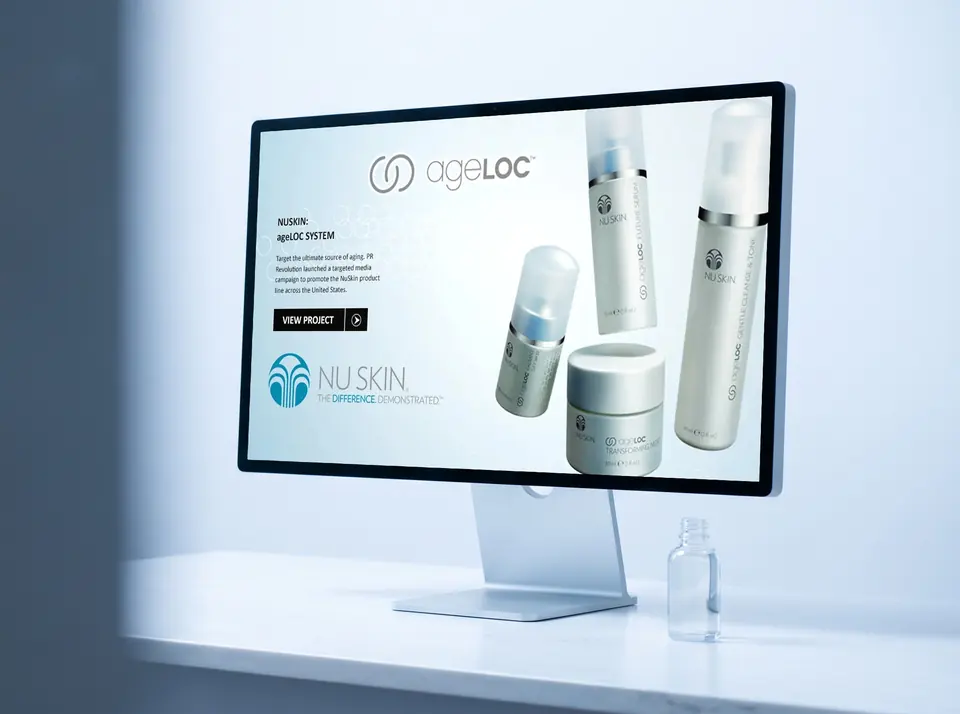 Global Brand · US Media CampaignNu Skin
A targeted media campaign that took Nu Skin's ageLOC system to audiences across the United States.
USnationwide media campaignageLOCthe anti-aging system we promoted
Read the case study
-
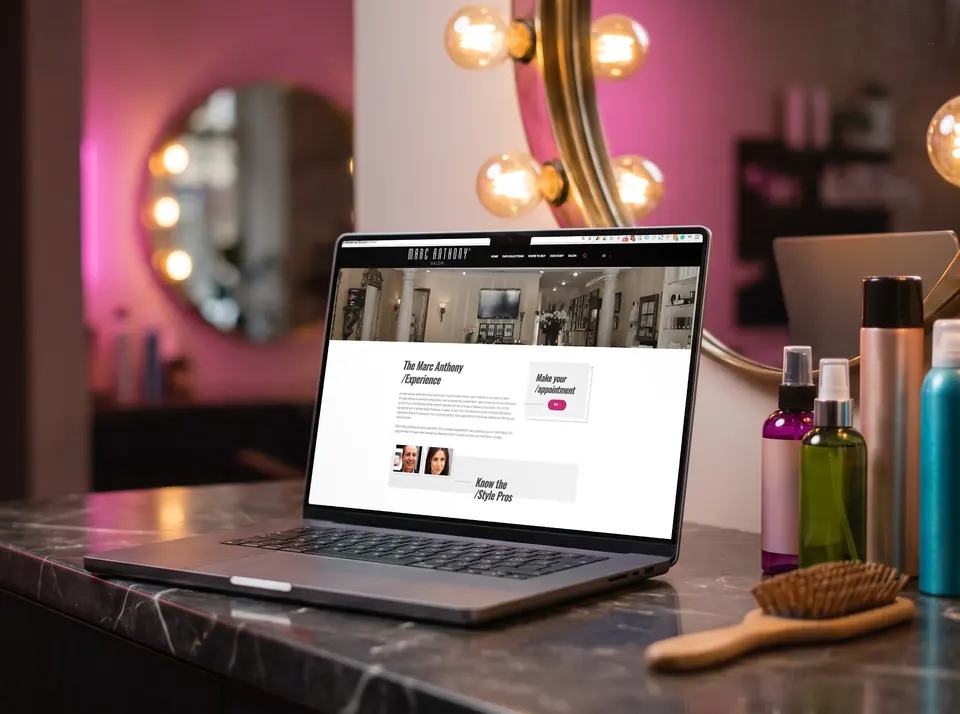 Consumer Brand · Website, Store + MediaMarc Anthony True Professional
A salon-quality hair care brand, rebuilt online as a store, a salon and a style magazine in one.
6hair collections in the launch store2markets: United States and Canada
Read the case study
-
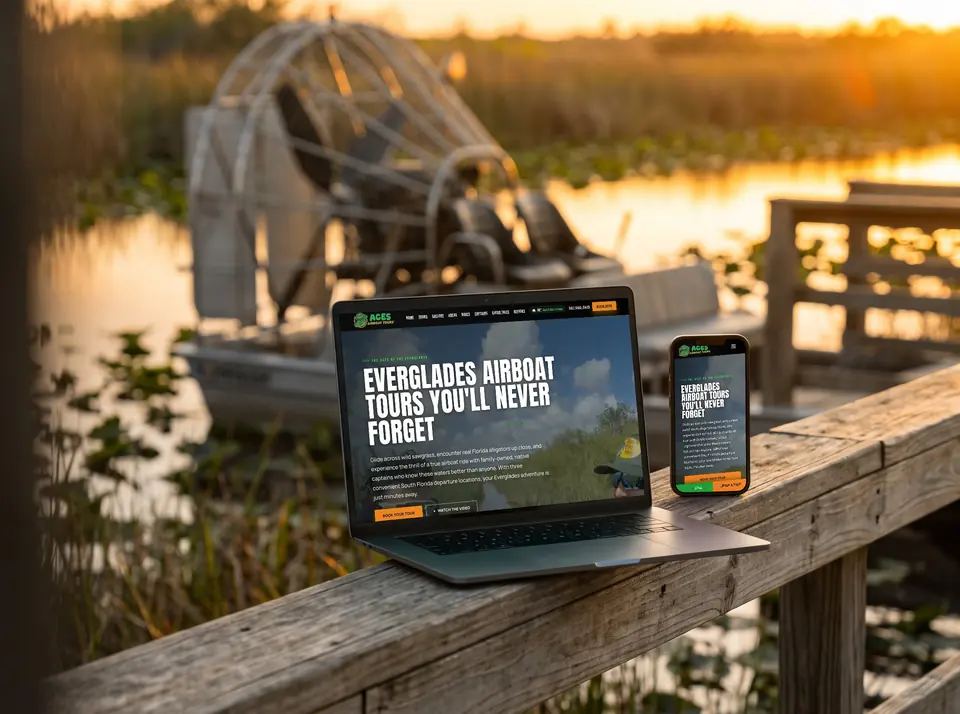 Tourism · Custom Theme + Local SEO + AdsAces Airboat Tours
A cinematic, booking-first site built to win travelers in the moment they search.
334pages live369booking-button clicks in the first 2 months
Read the case study
10Questions
Facebook ads agency questions, answered.
What does a Facebook ads agency do?
A Facebook ads agency plans, produces and manages ads on Facebook and Instagram. The work covers the offer, creative production and testing, audience setup, tracking with the pixel and Conversions API, budget management and reporting on the leads or sales the ads produce.
Do Facebook ads still work after iOS privacy changes?
Yes, but tracking needs more care. Since iOS 14.5, apps must ask permission before tracking people across other companies' apps and websites, so pixel-only tracking undercounts results. Adding the Conversions API and CRM events restores much of that signal and helps delivery learn from real outcomes.
What is the Conversions API?
The Conversions API is Meta's server-side connection. It sends events like leads and purchases from your server or CRM directly to Meta, so they arrive even when a browser blocks the pixel. Most setups run it alongside the pixel and confirm in Events Manager that events are deduplicated.
Should I use instant forms or a landing page?
Test both. Instant forms usually bring more leads at a lower cost per form, and landing pages usually bring better qualified leads. We judge them by what happens in your CRM a week later: booked calls, appointments and sales, not raw form fills.
How often should ad creative change?
Often enough that results do not quietly fade. We run a steady testing cadence with new concepts each cycle, retire ads as frequency climbs and performance drops, and build variations of winners. The exact pace depends on budget and audience size.
Are Facebook ads right for my business?
They fit products and services people do not actively search for, visual products, clear offers and retargeting. They fit poorly for emergency services, where people search instead of scroll. We will tell you honestly whether Meta should lead, support search or wait.
Who owns the ad account and pixel?
You do. Your Business Manager, ad account, pixel, audiences and creative stay in your name, and we work through partner access. If we part ways, you keep the history, the data and the learning built up in the account.
One team. Every channel.
Websites, search, ads, content, CRM and AI software built by one in-house team, so every piece works with the others.
Where we work
Get a second opinion on your Meta ads.
Share access or call (954) 758-7200, and a senior specialist will review your tracking and creative and tell you what we would test first.